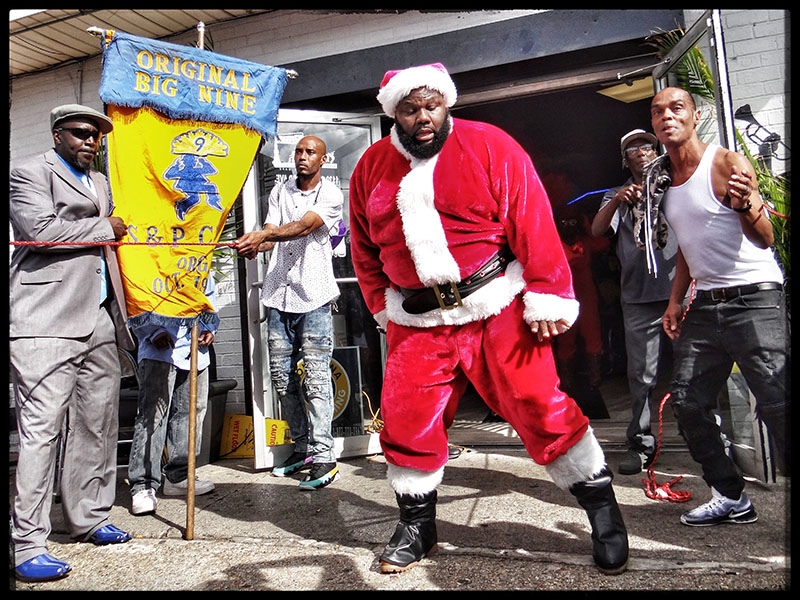
I wasn’t in New Orleans for
Katrina. On August 29, 2005 I was sitting on my couch watching the
news of the storm, first in disbelief, and as the days passed, in
horror and anger.
I
hated how New Orleaneans, the citizens of America’s national
treasure, were stripped of their dignity. Treated like enemies,
threats, burdens, when all most were trying to do was not drown.
I
saw how ordinary people cared for each other, the Cajun Navy and
random folks with boats went out every day to rescue their neighbors.
(And I saw how the State, including the federal government, demonized
and harmed them.)
*
I
live here now. The scars are evident. The Katrina crosses still
visible on some houses. The stories, the pain barely concealed.
Many
friends said they wouldn’t observe the 20th anniversary, were
trying not to think about it, didn’t know. I hoped to support where
I could, to make space for grief however it surfaced.
*
My
neighbor picked me up around noon to go to the Industrial Canal,
where the levy near Jourdan St breached 20 years ago, allowing 15 or
18 feet of water to roar through a residential neighborhood. The wall
has been repaired and B Mike Odum’s Eternal Seeds have added
colorful, poignant murals. There were speakers, some dancing, some
singing, many somber faces.
She
wanted to head out so we drove around the Lower 9, looking at the
shameful Brad Pitt Make it Right houses, already fallen into
disrepair, and then other well kept structures, and the many, many
empty lots, some with skeletons of foundations, many overgrown with
trees and brush.
After
a stop at gorgeous organic market and a detour around the departing
second line, I went to Armstrong Park and worked the info tent for
the K20 city project. It rained most of the afternoon, and attendance
was light.
I
met Jeremy Oatis, the suit maker behind Resist and Remembrance:
Display of Masking Indian Suits (Original Wild Tchoupitoulas).
A
distraught man who talked about being flooded out of his house on
Tennessee Street near the levee, voice breaking as he recalled not
being able to save his godson and another child from the water. I
can’t forgive myself, he said in despair. One of the
volunteers, Ellyn, comforted him until he was able to go get some
food. I needed to talk to y’all, he said.
The
twenty-something son of another volunteer Willa sat with us, eating
greens and talking softly and sweetly about growing up in Georgia,
moving to New Orleans at age 8, then evacuating during the storm. We
aimed for Houston but we only made it to Baton Rouge, he said.
They were so kind, low key giving me clothes and food when I
needed anything.
The
healing dancers came by the tent. A flock of City Year teens in their
red shirts, begging for a t-shirt or a bandanna. Tourists. Strays
from Southern Decadence.
There
was food truck drama when they stopped taking meal tickets. Then the
bathrooms shut down. Volunteers stopped by to chat, kids playing with
bubbles or jumping around. Willa’s granddaughter shares my name so
I admired pictures of a sassy 8 year old.
I
went to watch Gladney play his last few songs, he’s a
Grammy-winning performer who was friends with Timothy and brought joy
to Congo Square (I’d seen him perform at Jazz Fest!). I said
goodbye to Timothy and left around six p.m., tired and contemplative.


 Then I walked along Lasalle, among the growing clusters of full-on BBQ set ups, canopies with smokers and grills, music blaring, sleepy-eyed kids in their striped Mardi Gras finery. The baby doll queen hollered at me from a porch, where she was helping pour drinks. And so the day began.